How nature guides us back to our true selves
Dear friends
We arrived back to Sweden with a thick layer of powdery snow. The world shushes with the dampened sound of it. The dog frequently finds herself suddenly up to her tummy in it. It’s stuffed three quarters of our balcony so even though we’re on the top floor, it feels like we’re snowed in.
On my first winter trips to mountains, I used to be afraid of snow. It looked so cold, so harsh, and the whiteness was almost blinding. But now we’ve made friends, and I love it when it arrives to brighten up the short winter days.
White is an usual colour in nature, and the white we see in the sky, or in flowers or snow often has some other element to it. A greyishness, or a blue, or little yellow stamens. Perhaps that’s why it feels like a favourite of the tech world. Nothing says “future” like a pure, shiny, whiteness. This year, Pantone made the decision to choose white as their colour of the year. Not white, I should say, but Cloud Dancer. The internet responded with disappointment, accusations and confusion. “It’s giving padded room” was one comment. “It’s the visual version of no comment” said another. While the creative overlords of colour at Pantone seem to want to steer us toward the grey-ification of everything, the people wish for more nature, more personality, more joy.
So I see no better time to turn away from the commodities and products from the big marketing machines, and move instead back to the magic of nature, into the weird, imperfect off-whiteness of the snow and grey sky, and back to reality.
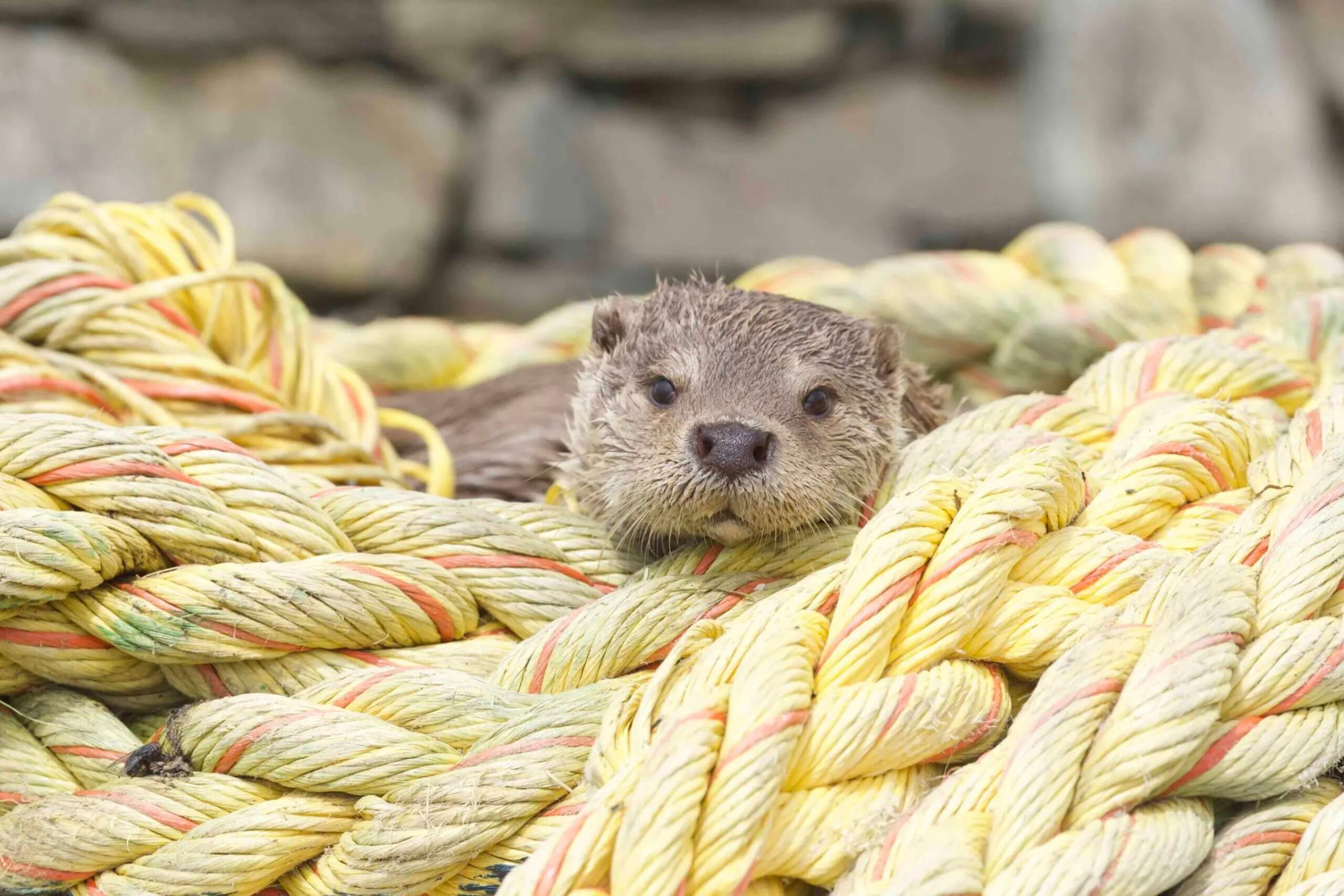
Billy and Molly: An Otter Love Story
“Sometimes when you get everything you want,” a soft, Scottish voice narrates, “you convince yourself it’s everything you need. You convince yourself you’re happy. […] Billy had a wee hole in his heart. Perhaps it’s the hole a man gets when he doesn’t get to be a father.”
The voice belongs to Susan Mail, wife to Billy, a man whose unexpected devotion to a wild otter who visited their home in Shetland is told tenderly in a documentary by National Geographic.
When a juvenile otter washes up on a jetty outside their sea-facing house, Billy is concerned she looks a bit skinny. He leaves her some food and thinks no more of it. But she’s hungrier than her natural instincts to stay away will permit, and comes back again and again for more morsels. Susan chuckles ironically as Billy ventures out on another fishing expedition to get more haddock for the otter, ultimately buying a large second-hand freezer explicitly to stuff with fish for her.
He calls her Molly. He teaches her to fish, buys her balls to play with, makes a little bed and even a house for her to live in safely. And then, like a good parent, he lets her go back into the wild.
Being in such close contact with a wild animal opens Billy up to the wonders of the scenery around him. Sweeping shots of aurora-filled skies, long swathes of brightly-coloured seaweed under water, and brushy open plains, at times snow-covered, show us Shetland in all its seasons – from mild to wild. It manages to capture that elusive paradox of nature: that it is hard, and brutal, and beautiful, and abundant. Sometimes I wonder if our gift of human consciousness exists so that someone can sit in these clashing opposite truths and witness our universe, to ponder it with the same gentle inquisitiveness that Billy turns to his otter friend Molly.
“That line that separates us from nature,” Billy says, as he floats through the bountiful waters by his home, “Molly’s world from mine… If she showed me anything, it’s that there is no line.”

“Even the sparrow has found a home”
Over Christmas, the radio was often on in the background. In my life, the radio has always been a steadfast company for whoever was in the kitchen, voices in the background when everyone was upstairs or elsewhere. I remember my mum leaving the radio on in the daytime for the cat, and I do the same when we go out without the dog for a few hours.
This year, the soothing, mild voices and carols of Radio 3 floated in from breakfast until dinner. On one show, I recognised the opening bars of a song. I’m awful at remembering the names of musicians, so I just squeaked a bit about how lovely this song was and then it was over in a moment. Now I have the time to sit and remember and research, I want to squeak a bit longer and louder about it.
The song was ‘and the swallow‘ by American composer Caroline Shaw (b.1982). The one on the radio was an instrumental version, but I think the choral version (especially the version by Tenebrae that includes some of my favourite voices) is magical.
The words come from Psalm 84, which explores the idea that life is not about having everything you want – it’s about having faith, even in the middle of difficulty. It says that having some ideal that goes outside of yourself – being interested in a greater good – gives us strength to carry on in life. For Shaw, she reset the words focusing on the sparrow and the swallow that can find a home for themselves – which she related to the refugee crisis and searching for places where families can blossom.
How beloved is your dwelling place
O Lord of hosts.
My soul yearns
my heart and my flesh cry
The sparrow found a house, and the swallow her nest,
Where she may place her young.
After listening to ‘and the swallow’, you might take Shaw for a modern classical composer – and she is – but don’t be fooled into pigeon-holing her. After becoming the youngest winner of the Pulitzer Prize for Music aged 30, she has worked as a composer, singer and touring violinist for various projects around the world. She also worked with Kanye West on tracks on 808s & Heartbreak and The Life of Pablo and more recently, co-arranged several tracks on Rosalía’s album, Lux.
In the theatre of air
I have heard that starlings are the only birds that murmurate. In fact, many birds perform similar flocking behaviour – swallows, geese, robins and jackdaws. But no species throngs the sky with such scale and intensity, and so the word “murmuration” is reserved just for them.
Specific to winter, when Scandinavian resident starlings migrate south, enormous groups of starlings gather at dusk and perform a spectacular aerial ballet. Sometimes tens of thousands of birds will be moving at once, turning on a sixpence in a split second, swooping and diving at speed. Scientists attributed the prowess of murmurations to special psychic abilities as late on as the 1930s, but more modern research has shown that each starling is actually just responding to their nearest six or seven co-pilots – it’s just that the bird’s response time is faster than our brains can process it.
Starlings murmurate to protect themselves from predators. Hunting in the evening can be dangerous for small birds, and sudden changes in direction and height make it more difficult for birds of prey to pick off individuals.
Of course, dear nature poet Mary Oliver has a poem for this spectacle, and her verse reflects on the magical lifting sense we get when we witness a natural phenomenon like a murmuration. I want to shout her line from the rooftops – what better way to live life than to say: “I want to be improbable beautiful and afraid of nothing”?
Starlings in Winter
By Mary OliverChunky and noisy,
but with stars in their black feathers,
they spring from the telephone wire
and instantlythey are acrobats
in the freezing wind.
And now, in the theater of air,
they swing over buildings,dipping and rising;
they float like one stippled star
that opens,
becomes for a moment fragmented,then closes again;
and you watch
and you try
but you simply can’t imaginehow they do it
with no articulated instruction, no pause,
only the silent confirmation
that they are this notable thing,this wheel of many parts, that can rise and spin
over and over again,
full of gorgeous life.Ah, world, what lessons you prepare for us,
even in the leafless winter,
even in the ashy city.
I am thinking now
of grief, and of getting past it;I feel my boots
trying to leave the ground,
I feel my heart
pumping hard. I wantto think again of dangerous and noble things.
I want to be light and frolicsome.
I want to be improbable beautiful and afraid of nothing,
as though I had wings.
Until next time,
May you be happy, well, whole and free.
~~~~~~
Invite your friends to subscribe!
![]() Being with dark and light
Being with dark and light![]() Don't leave!
Don't leave!![]() Unlikely meeting points & unlikely collaborations 🌗
Unlikely meeting points & unlikely collaborations 🌗![]() Sit in the middle of things 🧘♀️🪻
Sit in the middle of things 🧘♀️🪻![]() 5 things I learned at a Buddhist monastery
5 things I learned at a Buddhist monastery![]() 6 good things to do
6 good things to do![]() Extraordinary ordinariness: space orbits and sleeping dogs
Extraordinary ordinariness: space orbits and sleeping dogs![]() The ebb and flow of things
The ebb and flow of things![]() A short breath in the bardo
A short breath in the bardo![]() A slender cord of grace
A slender cord of grace![]() Artists reflect on water
Artists reflect on water![]() A love letter to a loaded gun
A love letter to a loaded gun![]() Are you for real?
Are you for real?![]() What is a good life?
What is a good life?![]() Who decides what you think?
Who decides what you think?![]() When new year should be according to history...
When new year should be according to history...![]() Does Mozart really make you smarter?
Does Mozart really make you smarter?![]() Old stories to find light in dark times
Old stories to find light in dark times![]() The human need to put things together
The human need to put things together![]() The power of trends: the good, the bad and the pumpkin-spiced.
The power of trends: the good, the bad and the pumpkin-spiced.![]() From terrestrial to celestial – where do we find inspiration?
From terrestrial to celestial – where do we find inspiration?![]() The illusion of ownership
The illusion of ownership![]() Let’s go down the rabbit hole 🐇
Let’s go down the rabbit hole 🐇![]() Identity, the artist, and #goblinmode
Identity, the artist, and #goblinmode![]() Punk and her godmothers
Punk and her godmothers![]() The ultimate journey – homecoming, heroes and wholeness.
The ultimate journey – homecoming, heroes and wholeness.![]() It’s mushroom month...
It’s mushroom month...![]() Robots, AI and artistry, oh my!
Robots, AI and artistry, oh my!![]() Longevity, love and memory...
Longevity, love and memory...![]() Summer, Freud and a sonnet...
Summer, Freud and a sonnet...![]() When surreal makes sense – exploring with Dorothea Tanning, Olga Tokaczuk and more...
When surreal makes sense – exploring with Dorothea Tanning, Olga Tokaczuk and more...![]() Twists and turns with Mary Oliver, Alan Watts and Astrid Lindgren...
Twists and turns with Mary Oliver, Alan Watts and Astrid Lindgren...![]() First flowers of spring: the need for beauty and hope at all times
First flowers of spring: the need for beauty and hope at all times![]() Defining reality, playing with illusion with Robert Frost, Hilma Af Kilnt and more...
Defining reality, playing with illusion with Robert Frost, Hilma Af Kilnt and more...![]() Celebrating the cycles of light and dark with Joan Didion, Danez Smith and more...
Celebrating the cycles of light and dark with Joan Didion, Danez Smith and more...
 Who is the real you?
 How nature guides us back to our true selves
 12 good things from 2025 🕯️
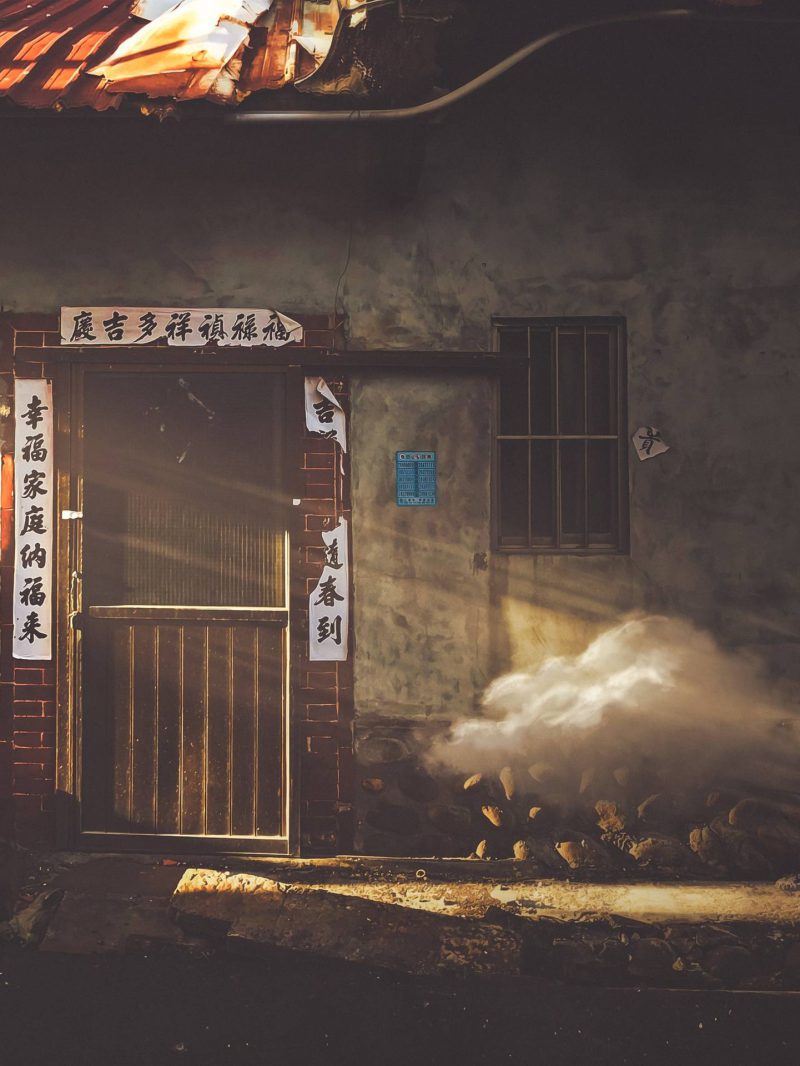 Being with dark and light
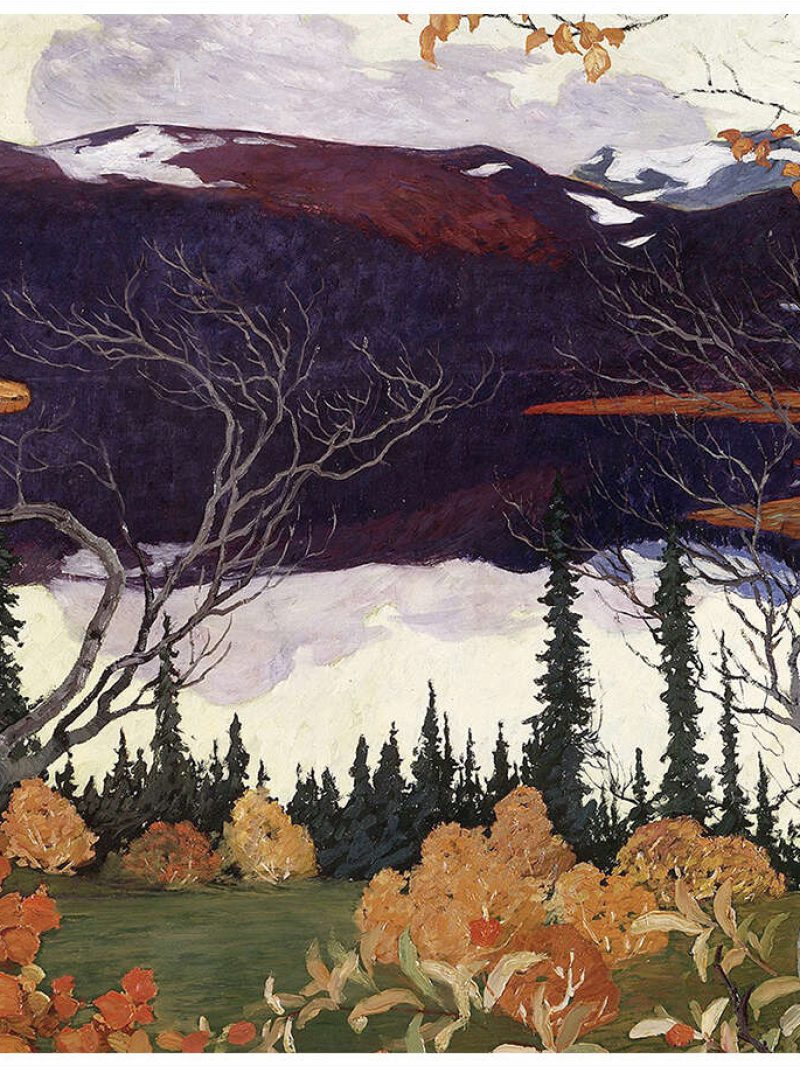 Don't leave!
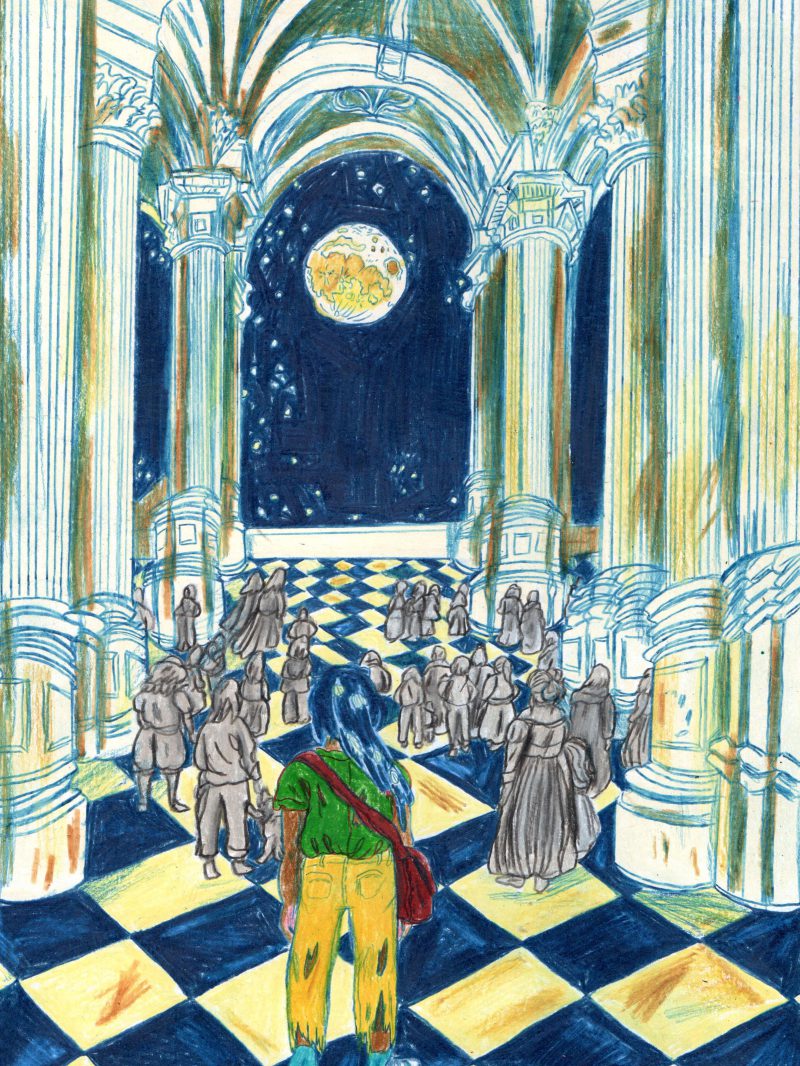 Unlikely meeting points & unlikely collaborations 🌗
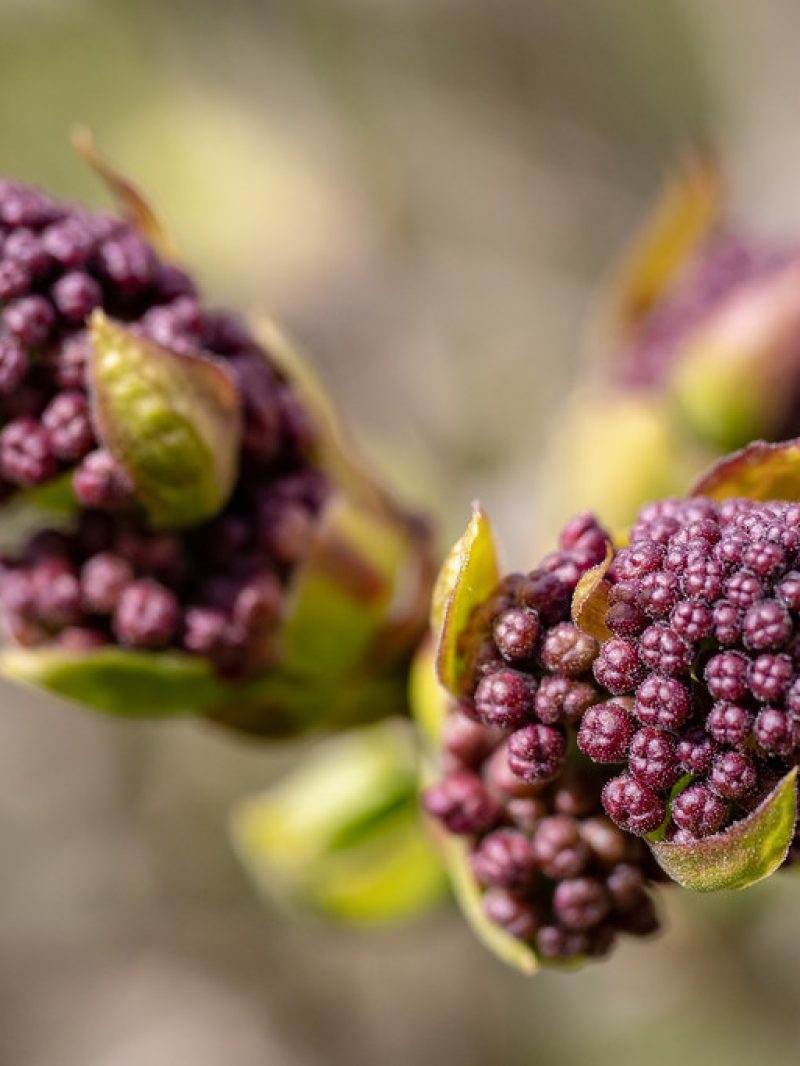 Sit in the middle of things 🧘♀️🪻
 5 things I learned at a Buddhist monastery
 6 good things to do
 Extraordinary ordinariness: space orbits and sleeping dogs
 The ebb and flow of things
 A short breath in the bardo
 A slender cord of grace
 Artists reflect on water
 A love letter to a loaded gun
 Are you for real?
 What is a good life?
 Who decides what you think?
 When new year should be according to history...
 Does Mozart really make you smarter?
 Old stories to find light in dark times
 The human need to put things together
 The power of trends: the good, the bad and the pumpkin-spiced.
 From terrestrial to celestial – where do we find inspiration?
 The illusion of ownership
 Let’s go down the rabbit hole 🐇
 Identity, the artist, and #goblinmode
 Punk and her godmothers
 The ultimate journey – homecoming, heroes and wholeness.
 It’s mushroom month...
 Robots, AI and artistry, oh my!
 Longevity, love and memory...
 Summer, Freud and a sonnet...
 When surreal makes sense – exploring with Dorothea Tanning, Olga Tokaczuk and more...
 Twists and turns with Mary Oliver, Alan Watts and Astrid Lindgren...
 First flowers of spring: the need for beauty and hope at all times
 Defining reality, playing with illusion with Robert Frost, Hilma Af Kilnt and more...
 Celebrating the cycles of light and dark with Joan Didion, Danez Smith and more...