Who is the real you?
Dear friends
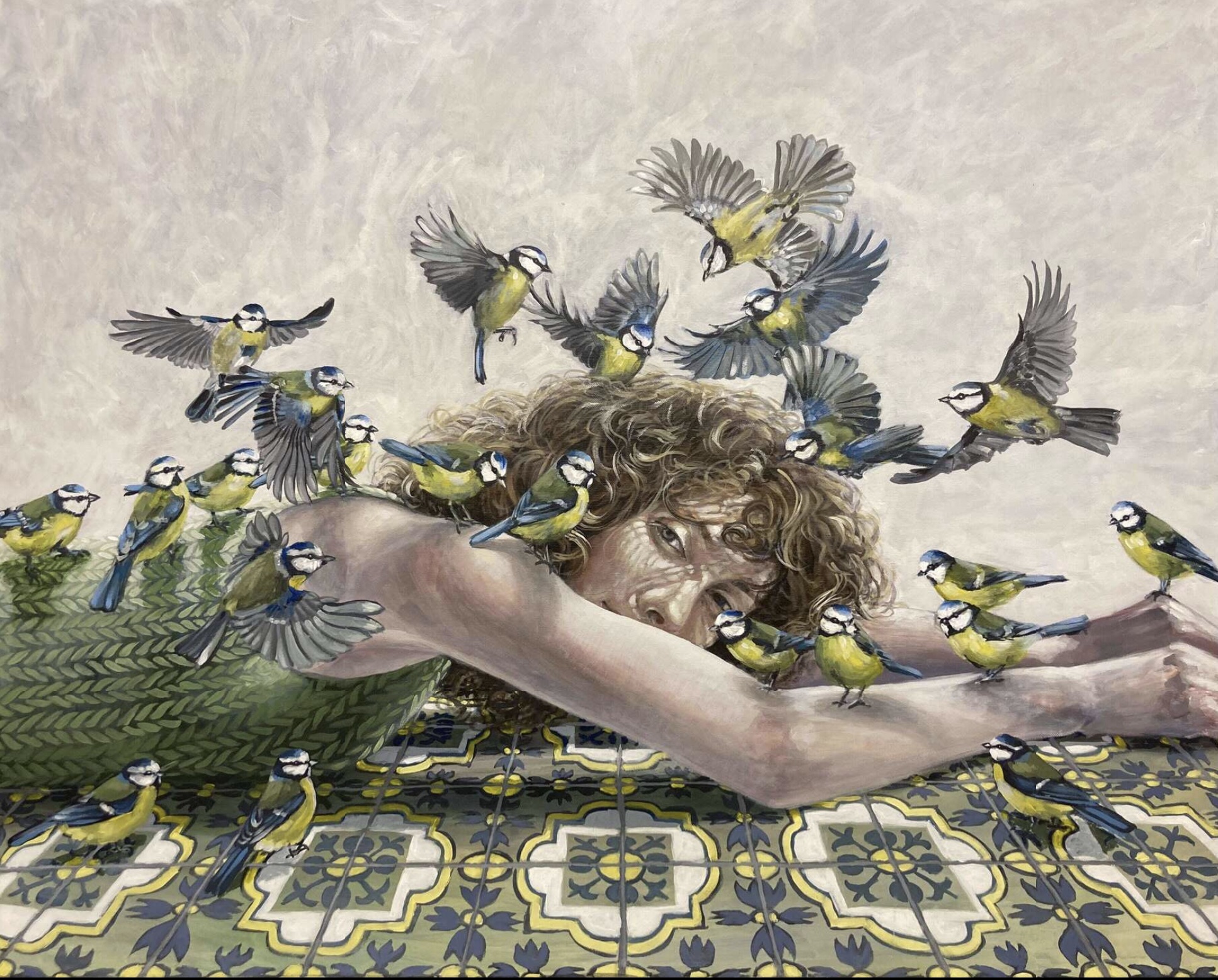
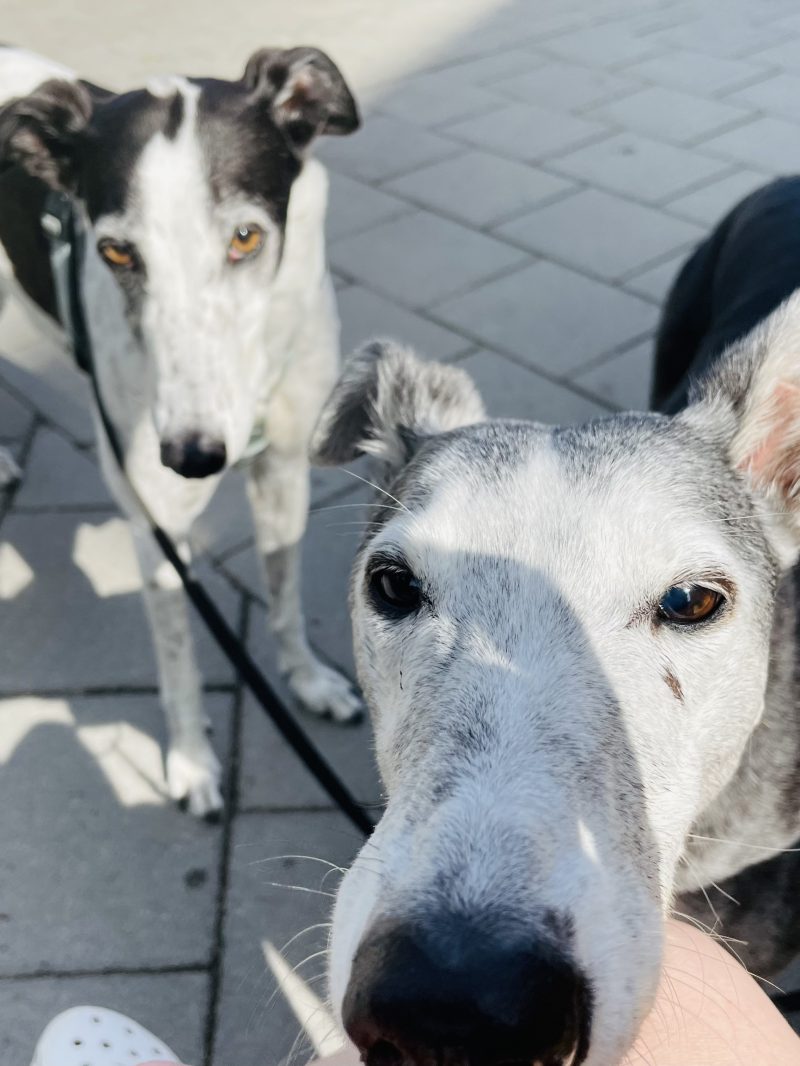
I woke up grumpy. There was no need to be grumpy – the spring sun was pouring in through the windows, the birds were singing their jolly tunes, the snow had all but melted away and there was nothing to do but take the dog out and enjoy a cup of coffee. And yet – the grumpiness was there.
Sometimes it is like this. Our brains respond with impatience: why am I like this? I should be better than this! I should be happy and free. But you feel you are stuck, and sometimes, it makes us feel defeated. But, as the saying goes: what you resist will persist. The mind doesn’t need one hundred reasons not to feel grumpy – it just needs someone to say: it’s ok that you’re grumpy. It’s human.
Similarly, in Buddhism, mindfulness and meditation practices are often misunderstood as ways to calm down, relax or transcend your human feelings. The truth of it is that these practices help us lean into the sharp points of being human, to sit with and integrate the less comfortable, pointy experiences with gentleness and acceptance. Instead of trying to bat the feeling away, we might say: there is frustration here, there is sadness. Maybe if you’re practicing maitri (loving kindness), you can place a hand on your heart and say to yourself: this is normal, and I am here.
You might find that you have little helpful second voices that appear that say: this is so pathetic! Or: how lame am I? That’s ok. You can be nice to them too. Send them loving kindness. Thank them for wanting to protect you. As the Buddha said: hatred can never conquer hatred – only compassion can.
It’s March now, and with spring, new buds, new birds and a new life will arrive in our home. There may not be so much writing coming from the Spring HQ. But it is natural for things to ebb and flow, for things to lie dormant, and wait to re-emerge. So while I say goodbye for now, I know I will be back. Until then, I wish so much goodness for you. Thank you for joining me in looking out the window, and enjoying the world around us. Thank you for being here.
You who blows out the light
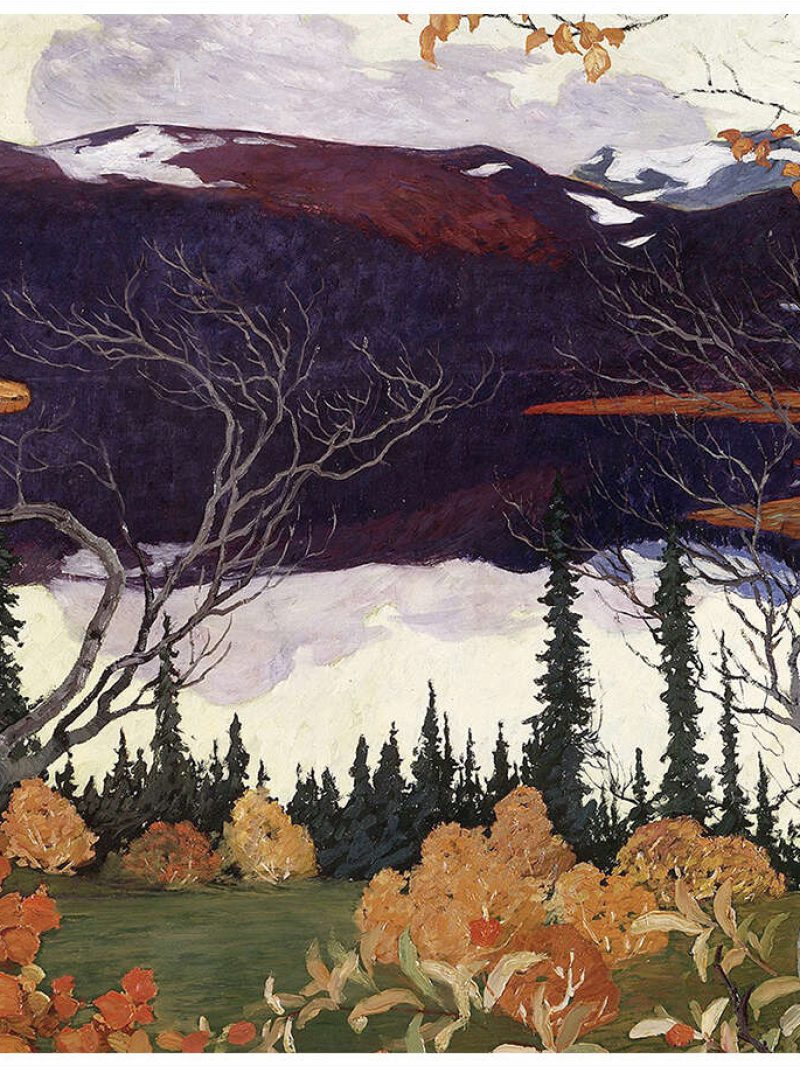
My favourite Swedish TV programme at the moment is Under Stjärnorna – ‘Under The Stars’. The host, Markus Torgeby is a long distance runner who, after a foot injury triggered a mental heatlh crisis in his twenties, went to live in the forests of Jämtland for four years. His Walden-esque retreat from mainstream life involved wild camping, no running water or electricity, and a two hour walk to the nearest village.
While alone in the forest, Torgeby realigned his values, finding space and freedom to live within his own tempo and connect with his body and surroundings. He’s since published two books and says his aim is to show people that we already have everything we need, that the way to what’s important in life is beyond consumption and performance.
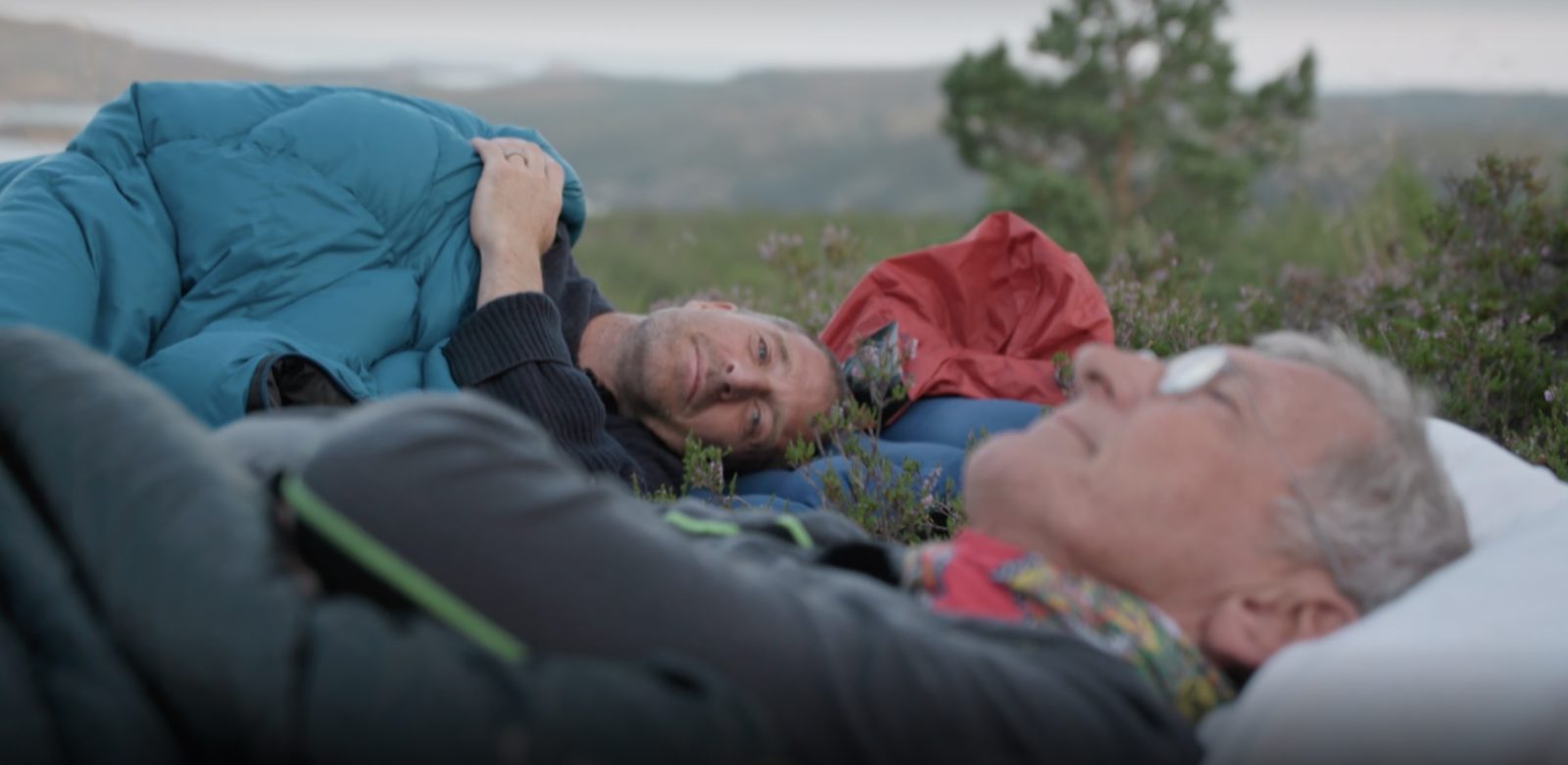
In each episode of Under The Stars, Torgeby is joined by a guest, who follows him across lakes, over frozen expanses, over brush-covered mountains and to a secluded spot in nature where they spend one night wild camping. Guests range from actors to politicians, authors to singers. And while some are more willing participants than others in Torgeby’s makeshift saunas, camping stove meals and precarious hammocks, there is always good conversation to be had. In one episode, his companion is Tomas Sjödin, a pastor and writer who tragically lost two of his three sons to incurable brain disease.
66-year-old Sjödin is mild and willing, even as Torgeby slides his belongings into a dry bag and hands him a wetsuit, pointing to an island that they will swim to for their evening camp. While a fire burns by their feet, the pair discuss the importance of stopping and being unproductive in life – even during the most challenging moments – so that you can truly inhabit in the world. Later, lying on a mat in a sleeping bag under the pale evening dusk, Sjödin recites a poem by Birger Norman, a writer and poet born in 1914:
You who blows out the light
Come not on the night when I sleep
Come on the night when I lie awake,
Listening to the sound of retreating constellations
I rewound this part of the show and watched it three times, letting the words sink in, so beautiful in simplicity and at once, so profound. Don’t let me die asleep to the wonder of the world around me, it says, take me when I’m awake, listening so attentively to the present moment that I can even hear the sound of stars moving deep in space.
What does it mean to be conscious?
When we open our eyes, a world appears. But what exactly is that world? Our eyes, the window to the world around us, collect light information, which is turned into electrical signals by the retina, which is sent through the optic nerve to the brain. Our brains then interpret the signals and create an image, flipping it the right way up, adding colour, depth and motion. All of that happens in microseconds of time. Only it doesn’t, really, because our brains are wired to do a lot of best-guessing – filling in the gaps with a quick calculation of what we expect is most likely to be there, mixed with what could possibly be a threat. This best-guessing is why we sometimes see a bear moving across the road to us, but when we glance back again we see it’s just a loose bin bag floating around in the breeze.
So what I’m saying is: when we open our eyes, the hallucinations appear. And in truth, we’ll never really know if how our brain puts signals together truly represents the world around us accurately. But visual illusions in the mind are just a part of the big “hard problem of consciousness” puzzle. Consciousness – or how we get from just being a thing in the world to being a thing having an experience of the world – is largely still undiscovered and poorly understood.
A World Appears is the new book from Michael Pollan that sets out to explore consciousness, with his signature inquisitive Long Island charm. Pollan laughs as he says that “there are 22 fields of consciousness [research] right now, which tells you the field is flailing, I think,” in an interview with the New York Times. But despite the challenge the subject poses, he dived in anyway.
As science is revealing the levels of consciousness in insects and even plantlife, and simultaneously engineers are building smarter AI models (who, incidentally, seem to be playing dumb to mislead us) – Pollan believes that understanding the phenomenon is more important than ever: “consciousness is being threatened in certain ways,” he says.
But while technology becomes smarter, Pollan argues that it’s lived experience, complete with the full spectrum of emotions and somatic information, that makes human and animal consciousness special.

Me and my shadow
Carl Jung, the early 20th century psychiatrist, is trending with Gen Z on TikTok. I wonder what he’d make of his resurgence in our world, a century ahead of his time.
Jung was a successful practitioner who’d had a close collaboration with Sigmund Freud until their relationship broke down around 1913 due to deep theoretical disagreements. Jung went on to form his own school of thought, focusing on the collective unconscious, archetypes, dream analysis and individuation.
In mainstream psychology, his ideas were pushed aside – in part because they were hard to test scientifically, but also because they involved long-term relationships with clients and subtle interpretation that relied too much on the psychiatrist rather than the method. He also took cues from mythology, religion and eastern philosophy – aspects that felt speculative in the clinical environment of mid-century psychology.
While CBT (cognitive behavioural therapy) and ACT (acceptance and commitment therapy) – two practices that focus on rewiring dysfunctional patterns in the mind – as well as medications take the lion’s share of mainstream treatment today, they can lack the depth and meaning that relational and self-discovery therapy offers.
It is very challenging to be alive. As a species, we seem to have a terrible forgetfulness for this. As soon as the going is good, we wipe our minds clear of the need to build up a toolkit, or practice, or a simple openness to the reality that life can turn upside down on a sixpence. Sickness, loss, death and suffering are all fundamental elements of life – just as joy, birth, and abundance are. They all play important roles in having a full human experience and building our characters, and most importantly: they can’t be avoided. The more we deny reality and try to live only in the comfortable happy side of life, the harder the darker elements are to face, and the less honestly we’re living in reality. Being able to accept that life is a mixture of happy and sad, of gain and loss, helps us live more well-rounded and fulfilling lives.
Our culture has become obsessed with happiness, and how we can be more happy more of the time – completely failing to remember that happiness is an emotion, a side effect of life experiences. Being grateful is wonderful, and experiencing happiness when it comes is lovely – but the goal isn’t to negatively judge and eradicate the other ninety percent of what it is to be alive.
Perhaps this toxic happiness culture is why one of Jung’s concepts that has taken particular hold is the “shadow self”. This darker side of the psyche is where our less flattering traits live – things like selfishness, aggression or desire. Over time, natural impulses are disowned or repressed into the shadow because they are socially unacceptable or uncomfortable to embody. But Jung argued that understanding our shadow can not only help us feel more complete and relaxed in ourselves – but also that it’s an essential element to collective human peace. If we can begin to understand our own complexity, and be non-judgemental about our own less comfortable traits, then we can be kinder citizens to others who are, ultimately, just like us. As the Buddhist nun Pema Chödrön says in The Places That Scare You:
“Only when we know our own darkness well can we be present with the darkness of others. Compassion becomes real when we recognise our shared humanity”.
Thank you friends. That’s all for now. We’ll see you down the road. Until then and always: may you be safe, well, whole and free.
~~~~~~
Invite your friends to subscribe!
![]() Being with dark and light
Being with dark and light![]() Don't leave!
Don't leave!![]() Unlikely meeting points & unlikely collaborations 🌗
Unlikely meeting points & unlikely collaborations 🌗![]() Sit in the middle of things 🧘♀️🪻
Sit in the middle of things 🧘♀️🪻![]() 5 things I learned at a Buddhist monastery
5 things I learned at a Buddhist monastery![]() 6 good things to do
6 good things to do![]() Extraordinary ordinariness: space orbits and sleeping dogs
Extraordinary ordinariness: space orbits and sleeping dogs![]() The ebb and flow of things
The ebb and flow of things![]() A short breath in the bardo
A short breath in the bardo![]() A slender cord of grace
A slender cord of grace![]() Artists reflect on water
Artists reflect on water![]() A love letter to a loaded gun
A love letter to a loaded gun![]() Are you for real?
Are you for real?![]() What is a good life?
What is a good life?![]() Who decides what you think?
Who decides what you think?![]() When new year should be according to history...
When new year should be according to history...![]() Does Mozart really make you smarter?
Does Mozart really make you smarter?![]() Old stories to find light in dark times
Old stories to find light in dark times![]() The human need to put things together
The human need to put things together![]() The power of trends: the good, the bad and the pumpkin-spiced.
The power of trends: the good, the bad and the pumpkin-spiced.![]() From terrestrial to celestial – where do we find inspiration?
From terrestrial to celestial – where do we find inspiration?![]() The illusion of ownership
The illusion of ownership![]() Let’s go down the rabbit hole 🐇
Let’s go down the rabbit hole 🐇![]() Identity, the artist, and #goblinmode
Identity, the artist, and #goblinmode![]() Punk and her godmothers
Punk and her godmothers![]() The ultimate journey – homecoming, heroes and wholeness.
The ultimate journey – homecoming, heroes and wholeness.![]() It’s mushroom month...
It’s mushroom month...![]() Robots, AI and artistry, oh my!
Robots, AI and artistry, oh my!![]() Longevity, love and memory...
Longevity, love and memory...![]() Summer, Freud and a sonnet...
Summer, Freud and a sonnet...![]() When surreal makes sense – exploring with Dorothea Tanning, Olga Tokaczuk and more...
When surreal makes sense – exploring with Dorothea Tanning, Olga Tokaczuk and more...![]() Twists and turns with Mary Oliver, Alan Watts and Astrid Lindgren...
Twists and turns with Mary Oliver, Alan Watts and Astrid Lindgren...![]() First flowers of spring: the need for beauty and hope at all times
First flowers of spring: the need for beauty and hope at all times![]() Defining reality, playing with illusion with Robert Frost, Hilma Af Kilnt and more...
Defining reality, playing with illusion with Robert Frost, Hilma Af Kilnt and more...![]() Celebrating the cycles of light and dark with Joan Didion, Danez Smith and more...
Celebrating the cycles of light and dark with Joan Didion, Danez Smith and more...
 Who is the real you?
 How nature guides us back to our true selves
 12 good things from 2025 🕯️
 Being with dark and light
 Don't leave!
 Unlikely meeting points & unlikely collaborations 🌗
 Sit in the middle of things 🧘♀️🪻
 5 things I learned at a Buddhist monastery
 6 good things to do
 Extraordinary ordinariness: space orbits and sleeping dogs
 The ebb and flow of things
 A short breath in the bardo
 A slender cord of grace
 Artists reflect on water
 A love letter to a loaded gun
 Are you for real?
 What is a good life?
 Who decides what you think?
 When new year should be according to history...
 Does Mozart really make you smarter?
 Old stories to find light in dark times
 The human need to put things together
 The power of trends: the good, the bad and the pumpkin-spiced.
 From terrestrial to celestial – where do we find inspiration?
 The illusion of ownership
 Let’s go down the rabbit hole 🐇
 Identity, the artist, and #goblinmode
 Punk and her godmothers
 The ultimate journey – homecoming, heroes and wholeness.
 It’s mushroom month...
 Robots, AI and artistry, oh my!
 Longevity, love and memory...
 Summer, Freud and a sonnet...
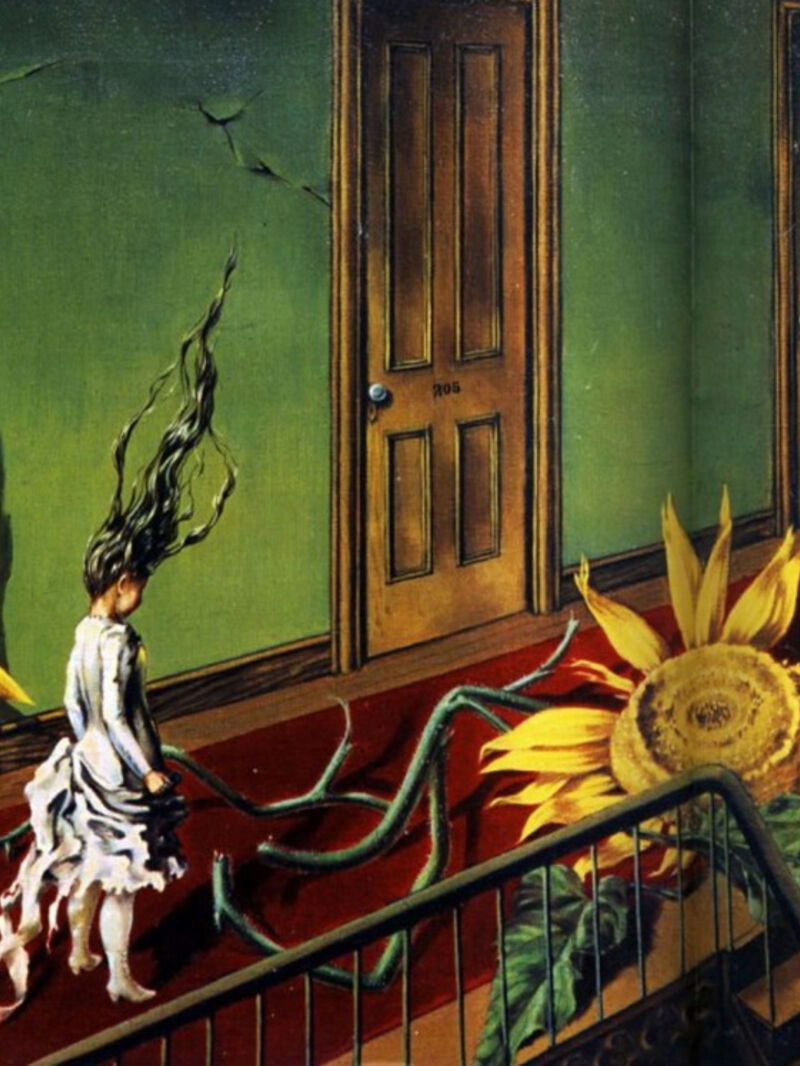 When surreal makes sense – exploring with Dorothea Tanning, Olga Tokaczuk and more...
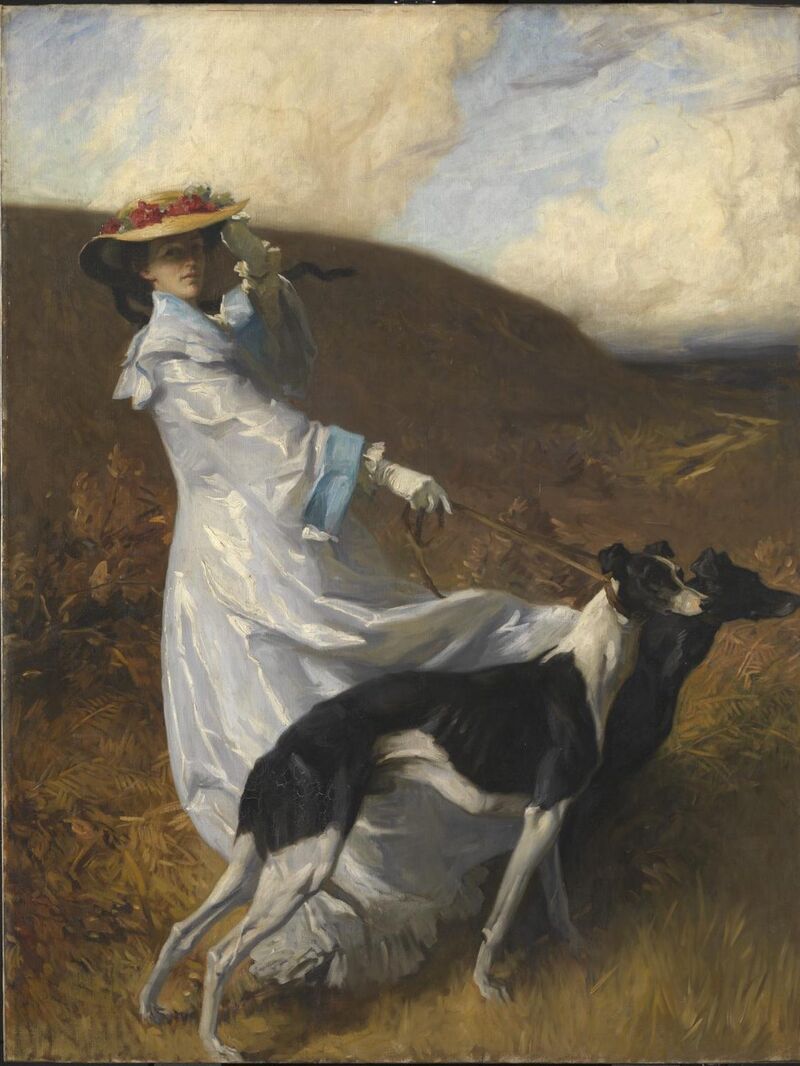 Twists and turns with Mary Oliver, Alan Watts and Astrid Lindgren...
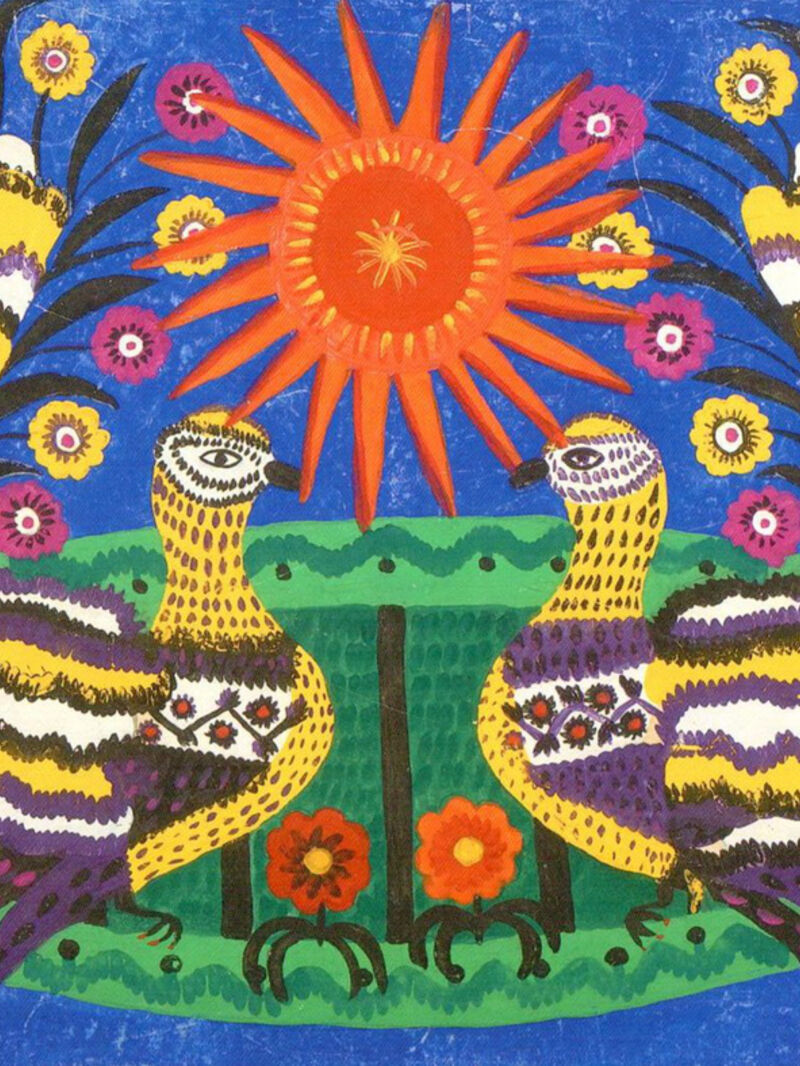 First flowers of spring: the need for beauty and hope at all times
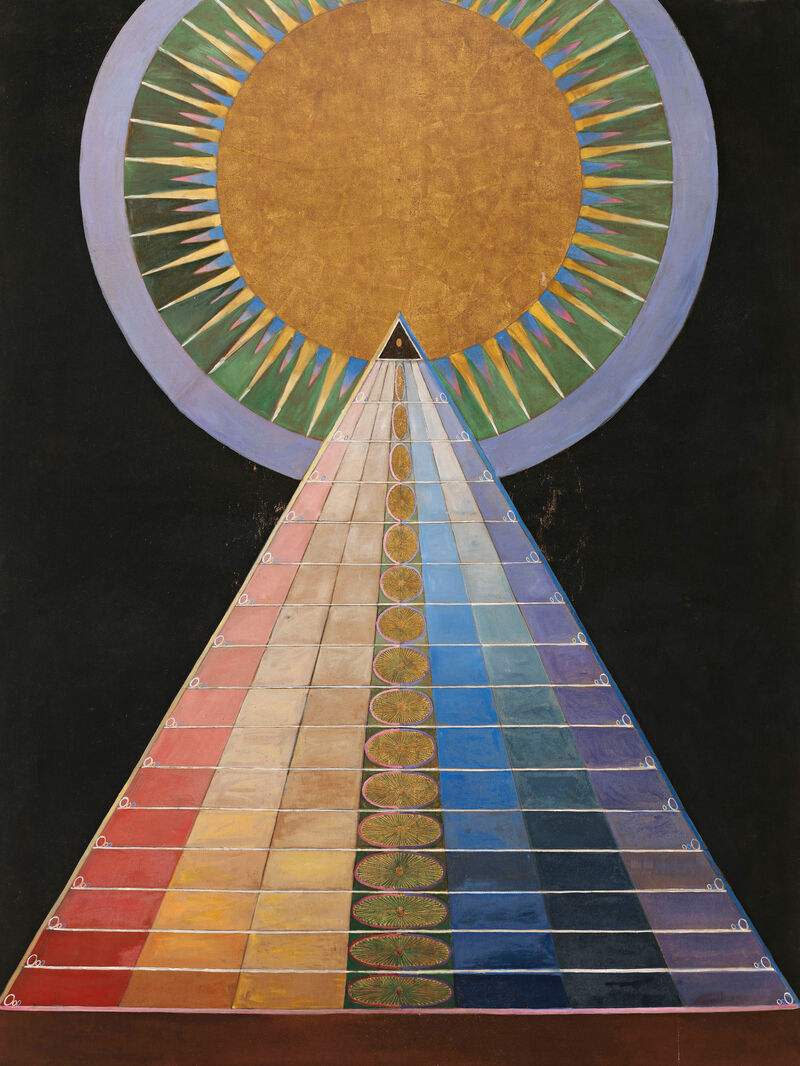 Defining reality, playing with illusion with Robert Frost, Hilma Af Kilnt and more...
 Celebrating the cycles of light and dark with Joan Didion, Danez Smith and more...